Posts

Showing posts with the label CPVC Pipes and Fittings

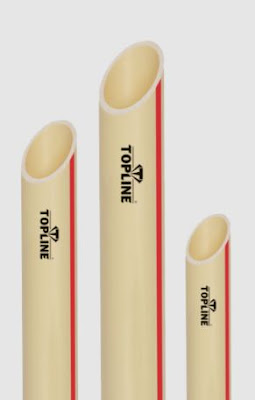
The top advantages of CPVC Pipes:
Image
The name CPVC refers to chlorinated polyvinyl chloride, which is important since, in contrast to other materials,  CPVC pipe  has an advantage when dealing with normal water treatment chemicals. Chlorine molecules in the pipe successfully spoil the attack of the chloramine and chlorine molecules in the water supply, making the material resistant to chloramine degradation and increasing its lifespan. CPVC pipes and fittings are also not susceptible to harmful leaching and are practically impermeable. Let's look at the top advantages of CPVC pipes: Temperature friendly: A lot of plumbing systems start to fail at extremely high temperatures. Plumbing pipes may become damaged by extreme temperature changes in the water, leading to leaks and pipe breaks.  CPVC pipes ,  however, are a preferred choice because they can resist water temperatures of up to 93 degrees Celsius. Where hot and cold water applications are required, selecting a plumbing system made by the best CPVC ...
Things That You Must Know Before Purchasing CPVC Pipes and Fittings

Image
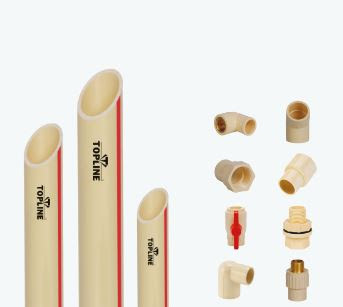
CPVC stands for Chlorinated Polyvinyl Chloride (CPVC) and is used for water supply lines in residential and commercial projects. CPVC pipes and fittings are ideal for use in an area where water is corrosive and makes it ideal for carrying both fresh water and wastewater. They can withstand water with a Ph level of any variations and can withstand temperatures of up to 93 degrees Celsius. This makes them useful in steam and hot water applications.     CPVC fittings are used to connect CPVC pipes and are available in a wide range of shapes, including elbows, tees, unions and couplings. CPVC fittings can be joined using solvent-welding or solvent-glue-type adhesives, or they have threaded joints. Because CPVC is made of plastic, it is more flexible than metal pipes and easier to install. However, CPVC pipes and fittings are more prone to damage if it comes into contact with acidic substances like chlorine or sulfuric acid. Furthermore, they can last for decades without rust...